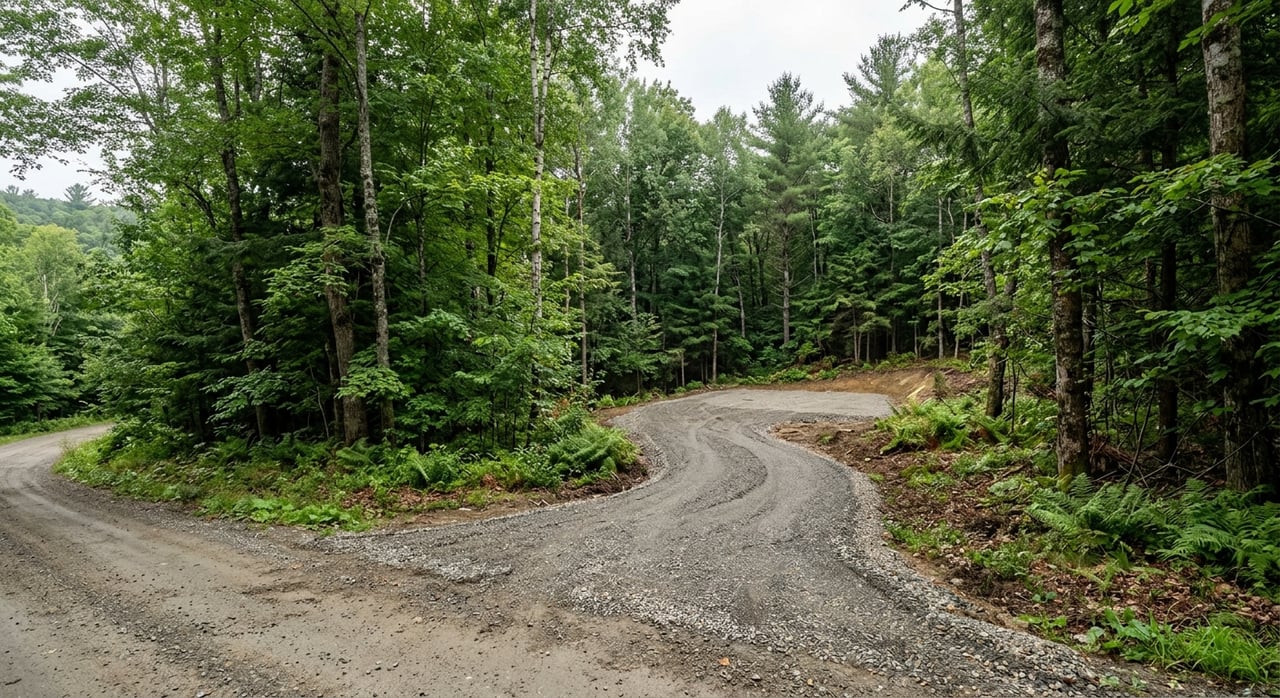
Buying Land in Carbon County Communities: Key Checks
June 11, 2026
June 11, 2026
Buying land in a Carbon County community can look simple at first glance. You find a wooded lot, picture your future cabin or full-time home, and start imagining weekends by the lake or quiet mornings in the mountains. But with community rules, township permits, utilities, and taxes all in the mix, a vacant lot can come with more moving parts than many buyers expect. This guide will help you understand what to check before you buy so you can move forward with more clarity and confidence. Let’s dive in.
In Carbon County, buying land in a private or semi-private community often means you are buying into a set of rules, costs, and shared services, not just a parcel on a map. Some communities operate through homeowner associations, while others are shaped more by township zoning and permitting.
That matters because your lot may come with deed covenants, annual dues, amenity policies, and use restrictions. In communities such as Indian Mountain Lake and Holiday Pocono, owners are part of an association structure with published rules and community services.
A lot in a Carbon County community may include access to roads, gates, security, trash service, and amenities, depending on the association. Indian Mountain Lake states that annual dues help cover road maintenance, trash removal, 24-hour security patrol, gated entrances, and community amenities.
Holiday Pocono also shows how detailed community use rules can be. Its association publishes rules for the clubhouse, lakes, playground, and rifle range, including member and guest use requirements.
This is why land buyers should ask a basic but important question early: what exactly comes with ownership of this lot? The answer may affect your monthly or yearly costs, how you plan to use the property, and whether the lot fits your goals.
Before you get attached to a specific parcel, review the recorded covenants, HOA rules, dues schedule, and amenity policies. This step can save you from surprises later.
Some of the most important questions to ask include:
In Carbon County communities, dues may help pay for roads, trash, security, gates, or amenities, but the details vary by association. You want to understand those costs and benefits before you make an offer.
One of the biggest misunderstandings with land purchases is assuming that a deeded lot is ready for construction. In most cases, that is not something you should assume.
Pennsylvania DEP says sewage facilities planning is required for new land development projects unless an exemption applies. That planning can involve an individual on-lot system, a community on-lot system, private sewage facilities, or a sewer connection, and local municipal involvement is required.
In plain terms, buildability depends on more than ownership. Zoning, sewage planning, permits, road access, and site conditions may all need to line up.
For many rural or wooded lots, sewage planning is one of the first major due diligence items. If a lot will need an on-lot septic system, you need to know whether the site is suitable and what the township requires.
Penn Forest Township posts sewage applications, identifies a sewage enforcement officer, and provides septic-related procedures and file requests. That is a good reminder that township-level review is often a key part of the process.
This step matters for practical reasons as well as environmental ones. Pennsylvania DEP notes that malfunctioning on-lot systems can contaminate surface water and groundwater, which is why septic suitability and system planning deserve close attention.
Water access can be just as important as sewage planning. Towamensing Township’s well-permit application shows how site-specific this can be, requiring a plot plan, visible lot corners, minimum separation distances between the well and septic components, and a site visit by the well enforcement officer.
That tells you something important as a buyer: a wooded lot may look ready, but the actual placement of a well, septic system, and future home can still require careful review. Lot corners, usable area, and spacing requirements all matter.
If you are considering a lot for future construction, it helps to verify where the home, septic area, and well might realistically go before you move too far ahead.
In Carbon County, permits are often handled at the township level, not just the county level. That means your next steps can vary depending on where the lot is located.
Pennsylvania’s Uniform Construction Code requires a building permit before construction or building work begins. Kidder Township states that its building permits are not started until the township first issues a zoning permit, and Penn Forest Township routes building permits, zoning permits, subdivision and land development applications, and driveway permits through township processes.
This is especially important in communities that cross municipal lines. Indian Mountain Lake says it includes properties in four townships and three school districts, so two lots in the same community may still have different local permit and tax considerations.
Do not assume driveway access is automatic. The road your lot connects to can change which approval you need.
PennDOT says a Highway Occupancy Permit is required for driveways that connect to state highways. Penn Forest Township also posts driveway permit applications for township roads, which shows that local road access can involve separate township review.
A simple way to think about it is this: the road owner matters. Before you buy, confirm what road serves the property and what kind of driveway approval may apply.
Carbon County offers public interactive GIS mapping and parcel data services online. These tools can be a helpful first step when you want to understand parcel boundaries, location, and surrounding context.
GIS is useful, but it is not the same as full site confirmation. Based on the township permit requirements in the research, buyers may still need help from a surveyor or builder to verify lot corners, setbacks, and utility placement on a specific parcel.
Think of county GIS as the starting line, not the finish line. It helps you ask better questions before you commit.
Property taxes in Carbon County are not just one simple county number. The county assessment office explains that taxes are based on true value, a predetermined ratio, and millage, and that county, township or borough, and school district taxes are separate.
For you as a buyer, that means the tax picture can vary from one parcel to another. This is especially important in communities that span multiple townships or school districts.
When reviewing a lot, make sure you understand:
If you are buying wooded land or a larger tract, ask whether the property is enrolled in Pennsylvania’s Clean and Green program. This program can reduce taxes by basing them on use value instead of fair market value.
That tax benefit can be helpful, but there is an important catch. If the use changes, the property can face seven years of rollback taxes plus interest.
This matters if you are thinking about building, subdividing, or changing how the land is used. A lower current tax bill does not always tell the full story.
Land closings may feel simpler than home purchases, but document details still matter. Carbon County’s Recorder of Deeds requires real estate documents to include original notarized signatures, a Uniform Parcel Identifier, and mailing address certification on deeds and related instruments.
That is one more reason to review title work and easements carefully before closing. You want the parcel description, ownership records, and recorded documents to line up clearly with what you believe you are buying.
If you are planning to buy land in a Carbon County community, start with this checklist:
Each item helps you answer a bigger question: is this lot a good fit for your plans, your budget, and your timeline?
Carbon County land purchases can be exciting because they open the door to a future home, getaway, or long-term investment in the Poconos. At the same time, community rules and township-level requirements can make the process feel more layered than buyers expect.
That is where local insight really helps. When you understand how community living, permits, access, and taxes come together, you can make a more confident decision and avoid costly surprises.
If you are thinking about buying land in Carbon County, Miriam Santiago can help you sort through the details with local knowledge, personal attention, and practical guidance tailored to your goals.
Stay up to date on the latest real estate trends.


Whether you're searching for your dream Pocono retreat or selling your mountain home, Miriam Santiago brings local expertise and a passion for the community to every transaction.